Stamped Concrete Help for Your Patio or Walkway
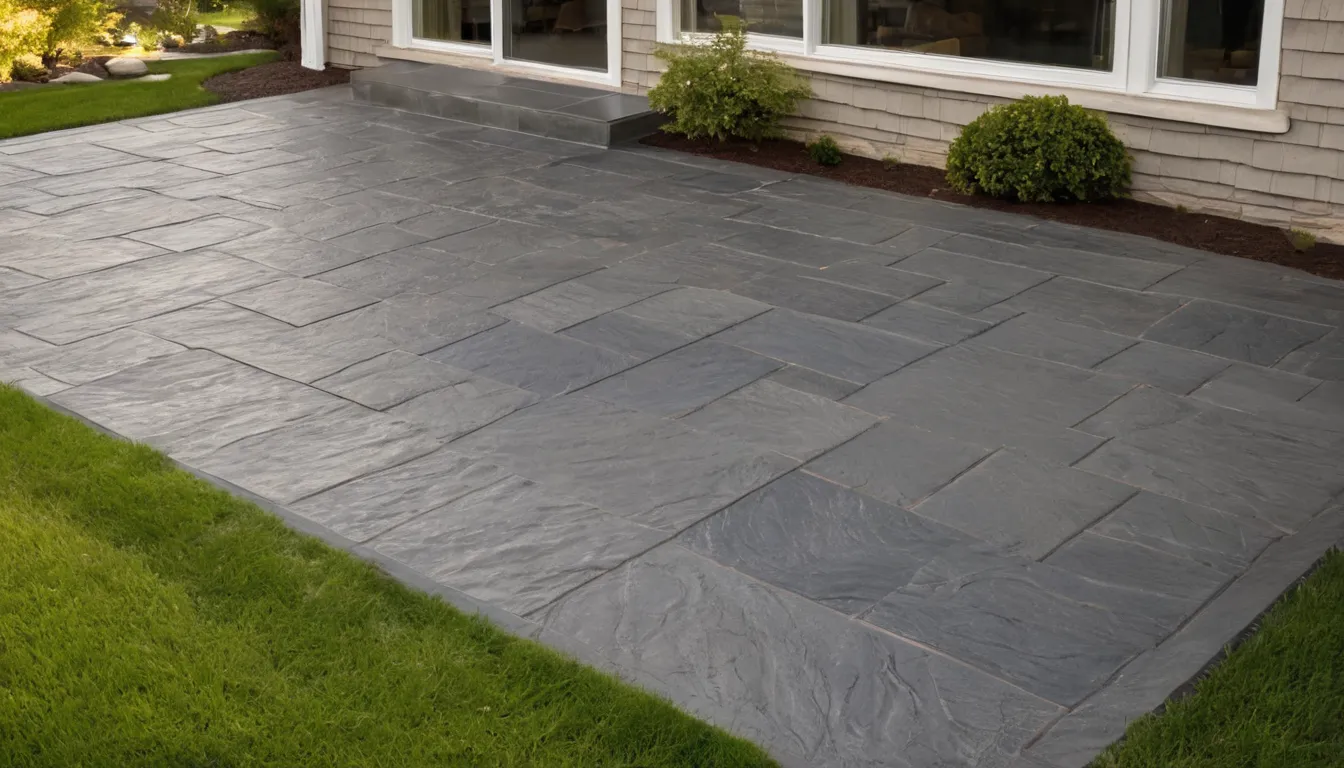
Stamped concrete gives a poured slab the look of stone, brick, slate, or wood. It is a popular choice for patios, walkways, and pool areas. It can also feel like a lot to sort out. The price, the pattern, the weather, and the right provider all matter, and it is easy to feel stuck.
Bigaudiobook Concrete is a referral service for homeowners in the North Salt Lake area. It connects you with independent local providers, and the providers do the work. This page explains how stamped concrete is made, what drives the price, and which questions to ask before you choose anyone. Take it one steady step at a time, and get it in writing before any work begins.
Wondering if stamped concrete is right for you?
A patio that looks like stone but is poured as one slab is appealing. It can also feel like a big decision. The pour happens once, and mistakes are hard to undo. That worry is normal.
Here is one steady step: learn how the work goes, then ask good questions. Bigaudiobook Concrete is a referral service. It connects you with independent local providers in our network. The providers do the work, not Bigaudiobook Concrete.
Decide these things before pour day
Pour day moves fast. Once the concrete starts to set, the pattern and color are fixed. So the choices come first.
Lock in the pattern and color
Ask to see sample boards and photos of finished jobs. Color looks different in full sun, in shade, and when wet. Look at samples outside, not under a kitchen light.
Ask about the weather window
Dry air and strong sun at altitude can make concrete dry too fast. Wind adds to the problem. Many providers plan pours for cooler hours or use steps to slow drying. Ask how a provider handles this. A clear answer is a good sign.
Cold snaps matter too. Fresh concrete should not sit through hard frost. Ask what the plan is if the forecast changes.
How stamped concrete is made
Base, forms, and steel
The work starts below the surface. The provider clears the area, packs a gravel base, and sets wood forms along the edges. Rebar or wire mesh often goes in to help hold the slab together. A solid base matters when you deal with heavy snow loads and fast spring melt.
Color and texture go in
Color is mixed into the concrete or worked into the top layer. A release powder keeps the stamps from sticking. Then the provider's crew presses rubber mats into the wet surface to leave the pattern.
Cure, cut, and seal
Control joints are cut so any cracks form in neat lines. The slab then cures for days. Last, a sealer goes on. It adds shine, protects color, and helps shed water.
Popular patterns and colors
Ashlar slate, random stone, brick herringbone, and wood plank are common picks. Warm tan and soft gray are popular because they hide dust. Many homeowners choose tones that echo wood or stucco siding. One main color with a small accent is easier to live with than a busy mix.
Where stamped concrete works well
Stamped concrete patios are the most common use. Walkways, pool surrounds, and entry steps are close behind. Trades call these flat poured surfaces concrete flatwork.
Slope matters near the house, especially with a basement. The slab should shed water away from the wall. If you already see signs of trouble at the foundation, foundation repair experts are a separate trade, and it makes sense to see them first.
Stamped concrete vs. pavers
Pavers are many small pieces. One piece can be lifted and swapped, but joints can shift or grow weeds. Stamped concrete is one surface with fewer joints and a more solid feel.
The trade-off is cracking. Patching stamped work can leave a mark, since color and pattern are hard to match. This page covers new work, not concrete driveway repair, so ask a provider about repair as a separate topic.
How long the job takes
Many projects take a few days of active work. Curing takes longer. Foot traffic may be fine after a day or two, but cars and heavy furniture wait longer. Sealing comes after the slab has cured enough. Timing varies by provider and season, so Request a callback to check provider availability.
Hire with confidence
You do not need to know concrete to hire well. You only need a few good questions.
Questions to ask a provider
- How will you prepare the base and handle drainage?
- What do you do about heat, wind, or frost on pour day?
- Can I see finished jobs that are a few years old?
- Which sealer do you use, and how often should it be redone?
- Who is on site while the concrete is placed?
What a good answer sounds like
A good answer is specific and calm. It names steps, materials, and trade-offs. The provider admits what can go wrong, such as hairline cracks, and explains how they limit it.
Red flags
- Pressure to sign right away
- A quote with no square footage or pattern named
- Vague talk about the base
- A large payment demanded up front
- No answer about sealing or care
Get it in writing
A written quote should list the size, pattern, color, base work, sealer, removal of old concrete, and timeline. It should also say what happens if the plan changes. Compare quotes line by line, not just by the total.
Caring for stamped concrete
Keep the surface clean with a soft broom and mild soap. Strong sun can fade color and wear sealer, so many providers suggest resealing every couple of years. Ask what schedule suits your yard.
In winter, shovel with a plastic blade and ask which de-icers are safe for your sealer. Harsh salts can damage the surface. After a hailstorm, look over the slab for chips. Small marks are easier to deal with early.
What's Included
Pattern Choices
Providers can show stone, brick, slate, and wood looks on sample boards before you decide.
Grading, Base, and Forms
Providers prepare the ground, pack gravel, and set forms so the slab drains away from your home.
Color and Stain
Mixed-in color, surface hardener, or accent stain can give the finished slab a natural tone.
Sealing and Finish
A sealer helps protect color and shed water. Ask which finish suits your sun and snow.
What Stamped Concrete Typically Costs
Prices vary by size, pattern, site prep, and local rates. These are typical U.S. ranges only, not quotes. Get a written quote that lists each part of the job.
| Item | Typical range | Notes |
|---|---|---|
| Stamped concrete, per square foot | $8 – $18 | Complex patterns and colors raise the price |
| Small patio, about 150 sq ft | $1,200 – $2,700 | Includes basic pattern and color |
| Large patio, about 400 sq ft | $3,200 – $7,200 | Bigger areas often cost less per foot |
| Site prep, grading, and base | $1 – $5 per sq ft | Poor soil or slope adds work |
| Removing old concrete | $2 – $6 per sq ft | Depends on thickness and access |
| Sealer at install | $1 – $3 per sq ft | Resealing is needed every few years |
How It Works
Share Your Plans
Tell us the size, the look you want, and your timing so the request fits your project.
Talk With a Provider
Request a callback to check provider availability, or send the request form and wait for a reply.
Compare Written Quotes
Check size, pattern, base work, and sealer line by line. Ask about anything unclear.
Choose and Schedule
Pick the provider you trust, confirm the plan in writing, and set a start date.
Why Call Bigaudiobook Concrete
Plain-Language Guidance Up Front
We explain terms and price drivers in simple words before you speak with anyone.
Independent Providers
Local providers in our network do the work. Bigaudiobook Concrete only makes the introduction.
Written Quotes
Learn how to read line items so you can compare offers fairly.
No Obligation
Request an estimate and decide on your own schedule, with no pressure.
Other Services
Need stamped concrete help in North Salt Lake?
Request a callback to check provider availability, or send a request for an estimate. There is no obligation, and you choose who to hire.
No obligationStamped Concrete Help FAQ
- How much does stamped concrete cost per square foot?
- Typical U.S. prices run from about $8 to $18 per square foot. Pattern, color, site prep, and local rates change the total. A written quote shows exactly what is included.
- Does stamped concrete crack, and can it be fixed?
- Concrete can crack, even when it is poured well. Control joints help guide where cracks form. Small cracks may be filled, but color and pattern can be hard to match, so ask the provider how they handle it.
- How long should I wait before using a new stamped patio?
- Many slabs allow light foot traffic after a day or two. Furniture and vehicles usually wait longer. Follow your provider's advice, since weather and mix can change the cure time.
Get in touch
Request a callback to check provider availability, or send a request for an estimate. There is no obligation, and you choose who to hire.
No obligation