New Concrete Driveways for North Salt Lake Homeowners
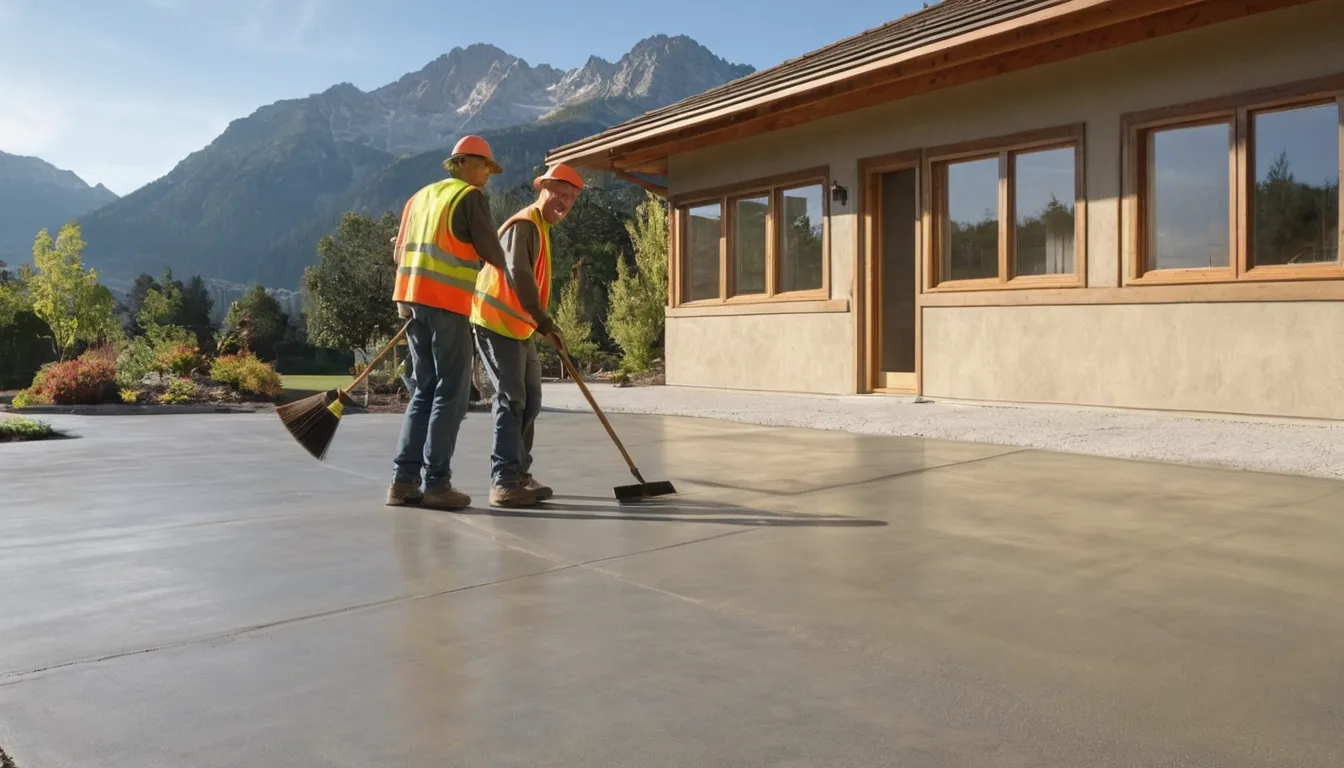
Replacing a driveway can feel like a lot. The cost is real, the work is loud, and you may not know whom to trust. That worry is normal. This page walks you through the job in plain words, one step at a time.
Bigaudiobook Concrete is a referral service. We do not pour concrete. We connect homeowners in the North Salt Lake area with independent local providers who do. Here you will learn the signs of a worn-out drive, what the project includes, what drives the price, and how to compare written quotes. Ask before you pour, and choose with a clear head.
Is it time for a new driveway?
Cracks, sunken spots, and crumbling edges can make any homeowner uneasy. Take a breath. This is a common project, and it is easier when you know the steps.
Bigaudiobook Concrete is a referral service. Independent providers in our network do the actual work. Our job is to help you ask good questions first.
Signs you need a new driveway
A few small cracks are normal. Look for bigger trouble:
- Cracks wider than a pencil, or edges that are uneven
- Slabs that have sunk, tilted, or rocked when you step on them
- Flaking, pitting, or a rough surface that sheds bits of concrete
- Pooling water that never drains away
- Patches on top of patches
If you see several of these, replacement may make more sense than another fix.
When a repair is enough
Concrete driveway repair can work when the damage is small and the slab underneath is solid. Think of one hairline crack or a chipped corner. A provider may fill, patch, or reseal the spot. Ask them honestly whether a repair will last or just delay the bigger job.
Cracks close to the house
Sometimes cracks run along the garage or the wall. That can have many causes, such as water flowing toward the home. Basements are common in many houses, so drainage matters. If you suspect the house itself is moving, foundation repair experts are a different trade. A driveway provider can tell you what they see, but they cannot judge your foundation.
What a new driveway project includes
Most jobs follow the same path:
- Remove and haul away the old concrete
- Level and compact the soil
- Add and pack a gravel base
- Set the forms that shape the edges
- Place reinforcement such as rebar or wire mesh
- Pour, smooth, and finish the surface
- Cut joints so the slab cracks in neat lines
- Let it cure, then seal if planned
This kind of work is called concrete flatwork. It simply means flat slabs like drives, walks, and patios.
Choosing size and layout
Measure how you really use the space. Do two cars need to park side by side? Do guests need room? A wider spot near the garage can save you from driving over the lawn. Bigger slabs cost more, so decide what you truly need before you ask for quotes.
Thickness and strength
Many home driveways are about four inches thick. Heavier trucks or RVs may need more. Ask what thickness the provider plans and why. A good answer ties it to your vehicles and your soil.
Picking a finish
A broom finish gives grip and is the usual choice. You can also add color, borders, or a pattern. Some homeowners like matching stamped concrete patios in the back. Fancy finishes add cost, so ask for each option as its own line on the quote.
Weather where you live
Dry air, strong sun, and high altitude are hard on fresh concrete. It can dry too fast and crack. Heavy snow, fast spring melt, and hail test it later. Ask how the provider protects the pour, and whether the mix is made for freeze and thaw.
Permits and the street apron
The apron is the strip where your drive meets the street. It often belongs to the city, and rules can differ. Some places need a permit or an inspection. Ask the provider who handles that paperwork, and get the answer in writing.
Questions to ask a provider
Keep a short list handy:
- Are you licensed and insured where I live? Can I see proof?
- Who will do the work, and who is on site?
- What base, thickness, and reinforcement are planned?
- How will you handle drainage and weather?
- What does your written warranty cover?
What a good answer sounds like
A steady provider answers plainly and does not rush you. They explain the steps, give a clear start window, and welcome questions. They are happy to put details on paper.
Red flags to watch for
Be careful if someone:
- Pushes you to sign today
- Asks for most of the money upfront
- Offers a price that seems far too low
- Will not show proof of insurance
- Has no written quote
You can say no and keep looking.
Get it in writing
A good quote lists the size, thickness, base, finish, removal, permits, and the total. Compare two or three quotes line by line. Differences often show up in the base and the thickness.
After the pour
Keep cars and foot traffic off until the provider says it is ready. New concrete keeps gaining strength for weeks. Wait to seal as advised. In winter, go easy on de-icing salts, which can scar young concrete. Snow shovels with plastic edges are kinder to the surface.
One steady step at a time is enough.
What's Included
Old Slab Removal
Providers break up and haul away the worn concrete so the new drive starts fresh.
Grading and Base
The soil is leveled and packed, then topped with gravel so slabs sit firm.
Forms and Reinforcement
Wood forms shape the edges, while rebar or mesh helps hold the slab together.
Pour, Finish, Cure
Concrete is poured, smoothed, jointed, and left to cure before regular use.
What a New Driveway Typically Costs
Prices vary by size, soil, finish, and local rules. These are typical U.S. ranges only, so get a written quote that fits your property.
| Item | Typical range | Notes |
|---|---|---|
| Basic broom-finish slab | $6 – $12 per sq ft | Common starting point for most homes |
| Two-car driveway, whole job | $4,000 – $9,000 | Depends on size and site |
| Old concrete removal | $1 – $5 per sq ft | Thicker or reinforced slabs cost more |
| Gravel base and grading | $1 – $3 per sq ft | Poor soil may need extra work |
| Color, stamping, or borders | $3 – $10 more per sq ft | Priced per design choice |
| Permit and inspection fees | $50 – $500 | Rules differ by city |
How It Works
Share Your Plans
Tell us the size, the finish you like, and what is wrong with your current drive.
Get Matched With Providers
A local provider in our network may reach out to talk through your project.
Compare Written Quotes
Line up the size, thickness, base, and total so the quotes are easy to compare.
Choose and Schedule
Pick the provider you trust, confirm the details on paper, and set a start window.
Why Call Bigaudiobook Concrete
Plain-Language Guidance
We explain terms and steps simply so you can follow what any provider tells you.
Independent Providers
Local providers in our network do the work, and you choose whom to hire.
Smart Questions
Know what to ask, what good answers sound like, and which warning signs matter.
No Pressure
Request an estimate with no obligation, and take the time you need.
Other Services
Need concrete driveways in North Salt Lake?
Request a callback to check provider availability, or send a request for an estimate. There is no obligation, and you choose who to hire.
No obligationConcrete Driveways FAQ
- How long does a new concrete driveway last?
- With a good base, proper thickness, and care, concrete drives often last for decades. Climate, drainage, heavy loads, and de-icing salts all play a part. Ask a provider what to expect for your site.
- How long before I can drive on a new concrete driveway?
- Many providers ask you to wait about a week before regular cars, and longer for heavy trucks. Foot traffic comes sooner. Follow your provider's written advice, since weather and mix can change the timing.
- Should I repair my driveway or replace it?
- Small cracks and chips can often be patched. Sunken slabs, wide cracks, and heavy flaking usually point to replacement. Ask a provider to explain both options, with prices written out, before you decide.
Get in touch
Request a callback to check provider availability, or send a request for an estimate. There is no obligation, and you choose who to hire.
No obligation